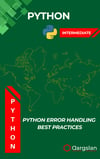
Python Error Handling Best Practices
Python Error Handling Best Practices
Tired of your Python programs crashing unexpectedly? Ready to write code that gracefully handles errors instead of failing spectacularly?
In the world of software development, errors are inevitable. But how you handle those errors makes all the difference between professional, resilient applications and fragile code that breaks at the slightest provocation.
"Python Error Handling Best Practices: Write Safer, Cleaner Code by Managing Exceptions Like a Pro" is your comprehensive guide to mastering one of the most underappreciated yet critical skills in Python programming. This practical, example-rich resource transforms error handling from an afterthought into a powerful tool in your development arsenal.
What You'll Learn:
- Why proper error handling is crucial for production-quality applications
- How to use try-except blocks effectively without compromising code readability
- The complete taxonomy of Python's built-in exceptions and when each one appears
- Advanced techniques using else and finally clauses to write elegant error handlers
- When and how to raise your own exceptions (and when not to)
- Creating custom exception hierarchies that communicate clear intent
- Strategic approaches to logging errors versus silently handling them
- Testing error conditions systematically with pytest and other frameworks
- Real-world patterns for handling network timeouts, API errors, and other common scenarios
Who This Book Is For:
Whether you're a Python beginner struggling to understand why your programs crash, an intermediate developer looking to write more professional code, or an experienced programmer wanting to refine your error handling strategies, this book offers valuable insights at every level of expertise.
Why This Book Stands Out:
Unlike generic Python books that briefly touch on exceptions, this focused guide dives deep into the philosophy, practice, and perfection of error handling. Each concept is illustrated with practical, real-world examples you can immediately apply to your own projects.
The carefully structured progression takes you from fundamental concepts to advanced techniques, with each chapter building on the last to reinforce your understanding. You'll find:
- Clear explanations that demystify Python's exception system
- Practical code examples demonstrating both what works and what doesn't
- Best practices distilled from years of professional Python development
- Common anti-patterns to avoid and why they cause problems
- Debugging techniques specifically for exception-related issues
- Complete working solutions for common error handling scenarios
Beyond the Basics:
This isn't just about catching errors—it's about designing robust software that anticipates problems and handles them intelligently. You'll learn to:
- Create self-documenting code that communicates error conditions clearly
- Balance between too much and too little error handling
- Integrate exception handling with logging for effective troubleshooting
- Design custom exception hierarchies that express your domain logic
- Test your error handling code thoroughly and automatically
By the end of this book, you'll approach error handling as a first-class concern in your development process, not a last-minute addition. Your code will be more reliable, your debugging sessions shorter, and your users happier.
Stop letting unexpected exceptions derail your applications and start building resilient, professional Python code today. Your future self (and your users) will thank you.
Includes downloadable code examples, exercises with solutions, and ready-to-use logging templates to jumpstart your error handling infrastructure.
SEO Keywords:
- Python exception handling
- Try except Python tutorial
- Custom Python exceptions
- Python error logging best practices
- Python debugging techniques
- Robust Python programming
- Python error handling patterns
More information: https://www.dargslanpublishing.com/book-review-python-error-handling-best-practices/